General Pest Control Cost: Quarterly Plans, Monthly Plans, and What Is Included
Quarterly and monthly pest control plans priced out for 2026 — what a real service includes, and why the re-service clause is the product.
Read the guide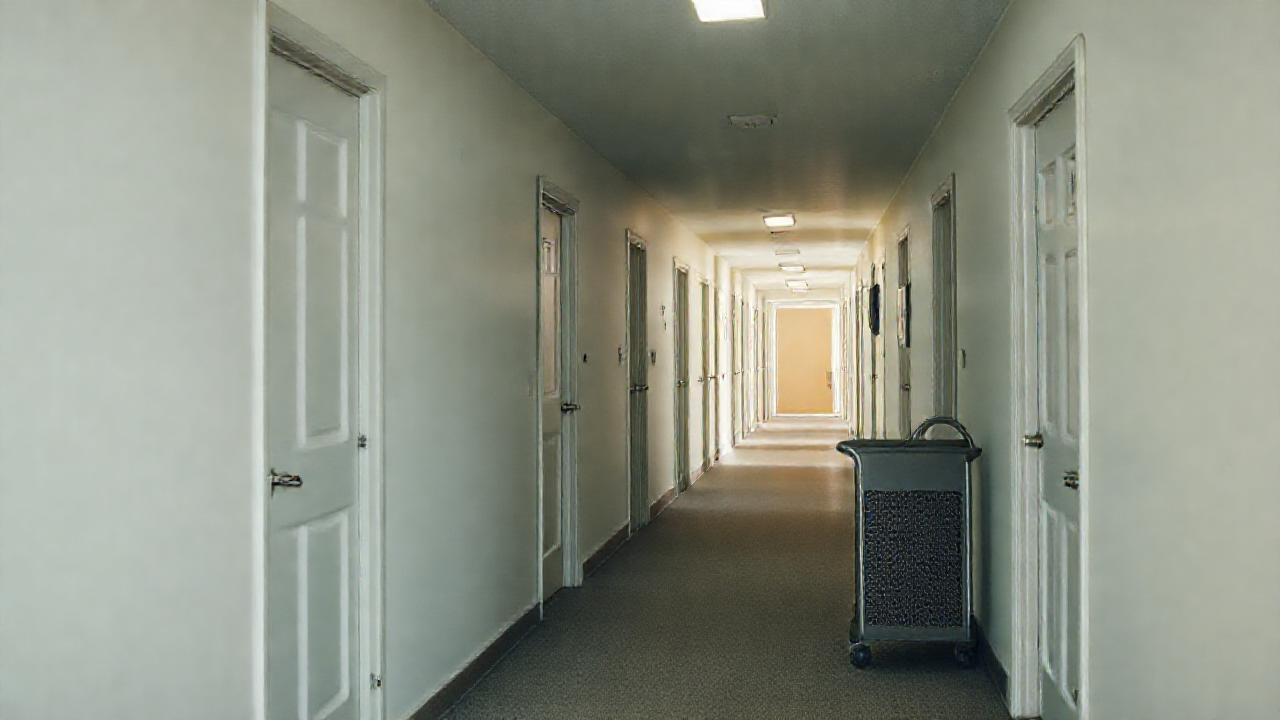
Direct answer: In most jurisdictions, landlords or building owners pay for unit pest service. Building route contracts often run about $15–$40 per unit per month at scale. A tenant who hires their own service pays homeowner-style one-time prices of $150–$350, and that money is often wasted if adjacent units are untreated. Pests in apartments are a building-system problem. Prices vary by region and company.
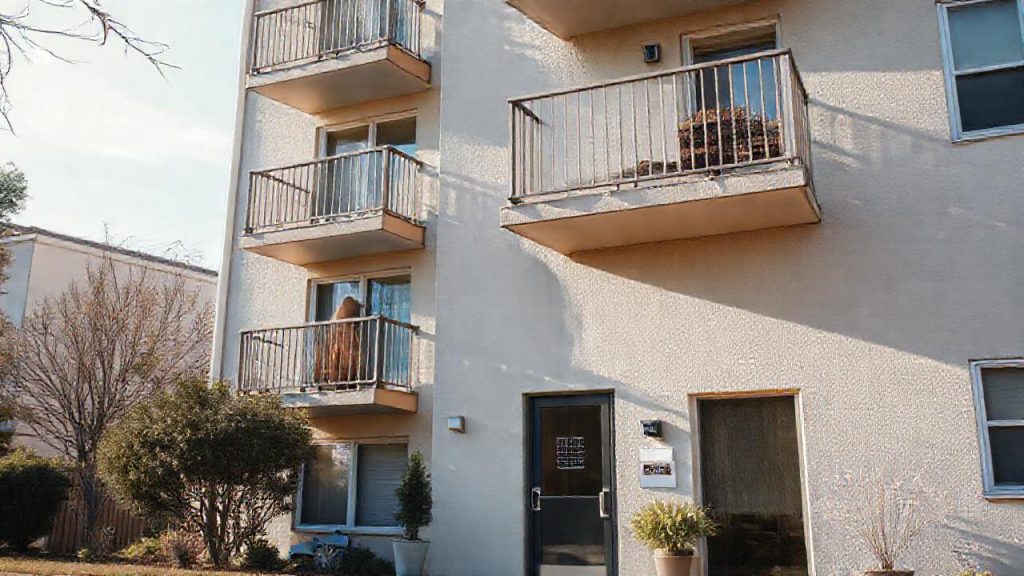
Apartment pest control is priced differently because the unit is not a standalone house. Shared walls, plumbing chases, trash rooms, and dumpsters connect the building. Property managers buy route service because one untreated unit can reseed the stack. Tenants need to know the building’s obligation, the service schedule, and what documentation to keep if the problem persists.
| Payer and service type | 2026 typical price | What it covers |
|---|---|---|
| Building route contract | $15–$40/unit/month class | Common areas, unit rotations, dumpster and enclosure treatment at scale. |
| Tenant-hired one-time service | $150–$350 | Single-unit treatment, often without adjacent-unit access. |
| Specialty unit treatment | Varies | Bed bugs, German roaches, fleas, and other life-cycle pests. |
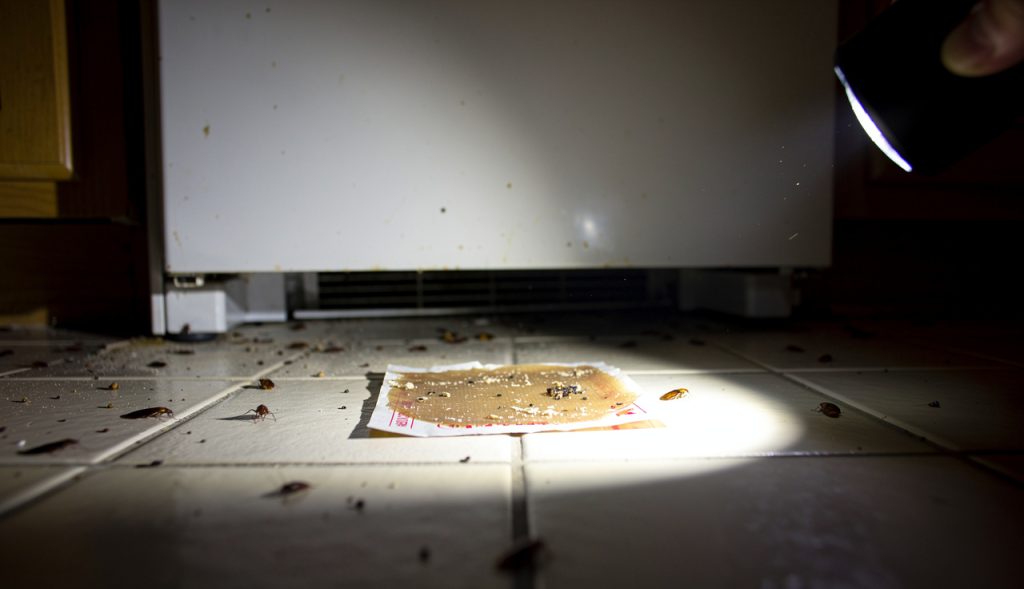
A single apartment treatment can look cheap and still fail if the source is next door. German roaches move through shared cabinets and chases. Bed bugs travel on furniture and through wall voids. Mice use common utility penetrations. A building contract that only sprays hallways is theater. Good building service includes common areas, unit rotations, and dumpster or enclosure treatment.
Route pricing at $15–$40 per unit per month is possible because the company services many units on one visit. That scale pricing is not available to a single tenant buying a one-off treatment. This is why a tenant’s $150–$350 one-time service may be less effective than the building’s shared contract, even though the tenant paid more per unit.
Landlord-tenant law varies by state and lease. In many jurisdictions, the landlord is responsible for pest control in a rental unit, especially for infestations that existed before move-in or that come from common areas. A lease clause that shifts all pest control to the tenant may not be enforceable in every situation. Read the lease, but do not assume the clause is the final word. Local health departments and housing codes may set minimum standards.
A real apartment contract covers common areas and unit rotations. It should include trash rooms, dumpsters, laundry rooms, and utility chases. Unit service should rotate through the stack, not just the complaining unit. The contract should specify response time, re-service terms, and what the tenant must do before service. A building contract that only treats hallways is not a pest control program; it is appearance maintenance.
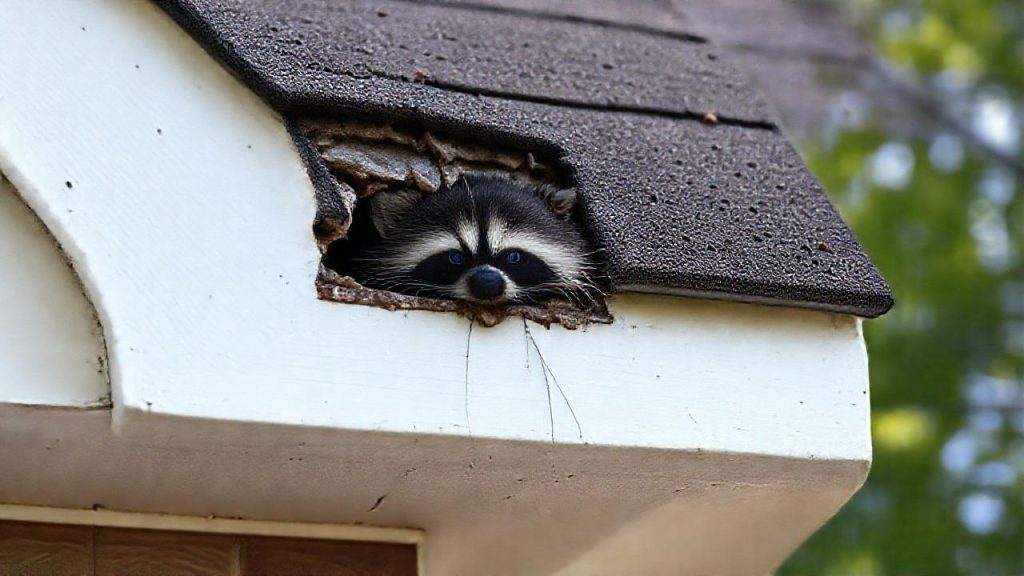
Pesticide application in apartments must follow the product label and state licensing rules. Protected species such as bats require legal handling and exclusion timing. Prices vary by region and company. For the tenant-side legal steps, see the renters page.
Quarterly and monthly pest control plans priced out for 2026 — what a real service includes, and why the re-service clause is the product.
Read the guideWhen one visit beats a contract: one-time pest treatment pricing, guarantee windows, and the pests that laugh at a single spray.
Read the guideThe watchdog page: cancellation fees, discount clawbacks, auto-renewals, and the covered-pest list where the exclusions are the story.
Read the guideLiquid barriers, bait systems, and tenting priced by the linear foot — plus the warranty types (retreat vs repair) that matter more than brand.
Read the guideFree inspections vs paid WDO reports: what each really is, when lenders require one, and when a $100 second opinion saves a $2,000 mistake.
Read the guideHeat vs chemical bed bug treatment priced per room and per home — and the preparation work that decides whether any of it works.
Read the guideTrapping gets quotes; sealing ends problems. Rodent control pricing with the exclusion work separated out, where the real bill lives.
Read the guideWhat one mouse infestation actually costs to clear — timeline honesty, DIY placement math, and when the problem is the landlord's.
Read the guideWasp and hornet nest removal priced by location and height — and why an in-wall yellowjacket nest is a different, pricier animal.
Read the guideSugar ants, pavement ants, and fire ants priced differently for a reason: identification is the product, and spraying the trail is the classic mistake.
Read the guideCarpenter ant treatment is a nest hunt in wet wood. Pricing, the moisture link every quote should name, and how it differs from termites.
Read the guideGerman roaches are a multi-visit program, not a spray. Realistic program pricing, prep economics, and why bombs make it worse.
Read the guideAdults are 5% of a flea infestation. House treatment pricing built on the full life cycle — and the pet-side half that is not optional.
Read the guideBarrier sprays priced by the season, the free standing-water fix that outranks them, and honest grades on traps and zappers.
Read the guideTicks live at the shaded edge, not the sunny middle. Application pricing, the spring timing that matters, and the 3-foot border that rivals spraying.
Read the guideRaccoon and squirrel removal priced honestly: trapping is the small half — exclusion and attic repair are where totals actually land.
Read the guideBats are excluded, never exterminated — and never during maternity season. Exclusion pricing, guano cleanup, and the single-bat upsell warning.
Read the guideTrapping works; vibrating stakes and poison peanuts do not. Mole control programs priced, and the mole-vs-vole mistake that wastes a season.
Read the guideRestaurant and warehouse pest service priced monthly — where the money really buys documentation and audit readiness, not just spraying.
Read the guideWho pays for pest control in a rental — landlord duties, tenant-caused exceptions, bed bug statutes, and the documentation that decides it.
Read the guideIs Monthly Pest Control Worth It? The Math by Pest and Region — 2026 prices, what is included, and the honest DIY-vs-hire math.
Read the guideHow Much Is an Exterminator? The Full 2026 Price Ladder in One Page — 2026 prices, what is included, and the honest DIY-vs-hire math.
Read the guideSpider Treatment Cost: What a Visit Covers and When It Is Included Free — 2026 prices, what is included, and the honest DIY-vs-hire math.
Read the guideTermite Bond Cost: What the Annual Warranty Really Buys — 2026 prices, what is included, and the honest DIY-vs-hire math.
Read the guideTermite Prevention Cost: What Actually Prevents, Priced in Order — 2026 prices, what is included, and the honest DIY-vs-hire math.
Read the guideA $60–120 DIY starter kit against $400–1,000 annual plans — where doing it yourself genuinely wins, and where it loses money while the problem grows.
Read the guidePest Control for a New Home: Move-In Treatments and First-Year Pricing — 2026 prices, what is included, and the honest DIY-vs-hire math.
Read the guideBee Removal Cost: Relocation vs Extermination, and Why the Law Cares — 2026 prices, what is included, and the honest DIY-vs-hire math.
Read the guideIs Pest Control Spray Safe Around Pets and Kids? The Label-True Answer — 2026 prices, what is included, and the honest DIY-vs-hire math.
Read the guideSkunk Removal Cost: Trapping, Den Exclusion, and the Spray Problem — 2026 prices, what is included, and the honest DIY-vs-hire math.
Read the guideSnake Removal Cost: Relocation Calls, Yard Proofing, and the ID That Matters — 2026 prices, what is included, and the honest DIY-vs-hire math.
Read the guideGroundhog Removal Cost: Trapping, Burrow Fencing, and Foundation Risk — 2026 prices, what is included, and the honest DIY-vs-hire math.
Read the guideBird Control Cost: Netting, Spikes, and Cleanup for Pigeons and Starlings — 2026 prices, what is included, and the honest DIY-vs-hire math.
Read the guidePantry Pest Control Cost: Indian Meal Moths and Weevils, Mostly a Free Fix — 2026 prices, what is included, and the honest DIY-vs-hire math.
Read the guideDrain Fly Control Cost: The Gel, the Biofilm, and the Broken Pipe Tell — 2026 prices, what is included, and the honest DIY-vs-hire math.
Read the guideCluster Fly Control Cost: The Fall Attic Problem, Timed in Late Summer — 2026 prices, what is included, and the honest DIY-vs-hire math.
Read the guideStink Bug Control Cost: Fall Exclusion Beats Every Spray — 2026 prices, what is included, and the honest DIY-vs-hire math.
Read the guideCricket Control Cost: Camel Crickets in the Basement, Field Crickets at the Door — 2026 prices, what is included, and the honest DIY-vs-hire math.
Read the guideSilverfish and Firebrat Control Cost: Humidity Is the Whole Story — 2026 prices, what is included, and the honest DIY-vs-hire math.
Read the guideEarwig Control Cost: Mostly a Moisture Problem With a Small Bill — 2026 prices, what is included, and the honest DIY-vs-hire math.
Read the guideHouse Centipede Control Cost: The Creepy Housemate That Eats the Others — 2026 prices, what is included, and the honest DIY-vs-hire math.
Read the guideBoxelder Bug Control Cost: Fall Wall invasions and the Sealing Bill — 2026 prices, what is included, and the honest DIY-vs-hire math.
Read the guideAsian Lady Beetle Control Cost: Not Ladybugs, and Not a Spray Problem — 2026 prices, what is included, and the honest DIY-vs-hire math.
Read the guideFire Ant Control Cost: Broadcast Bait vs Mound-by-Mound, Priced by the Acre — 2026 prices, what is included, and the honest DIY-vs-hire math.
Read the guideChigger Control Cost: Yard Treatments and the Honest Repellent Math — 2026 prices, what is included, and the honest DIY-vs-hire math.
Read the guideBed Bug Inspection Cost: Visual, Canine, and the Monitor Traps That Tell the Truth — 2026 prices, what is included, and the honest DIY-vs-hire math.
Read the guideDrywood Termite Treatment Cost: Local Treatment vs Whole-House Fumigation — 2026 prices, what is included, and the honest DIY-vs-hire math.
Read the guidePowderpost Beetle Treatment Cost: The Other Wood-Destroyer, Priced Honestly — 2026 prices, what is included, and the honest DIY-vs-hire math.
Read the guideCarpenter Bee Control Cost: Dust the Holes, Then Plug Them Right — 2026 prices, what is included, and the honest DIY-vs-hire math.
Read the guidePest Control After a Flood: What Shows Up, In What Order, and What It Costs — 2026 prices, what is included, and the honest DIY-vs-hire math.
Read the guideAttic Pest Inspection Cost: What They Look For and What the Findings Price Out To — 2026 prices, what is included, and the honest DIY-vs-hire math.
Read the guideCrawl Space Pest Control Cost: Moisture First, Then the Bugs — 2026 prices, what is included, and the honest DIY-vs-hire math.
Read the guidePest Control for Airbnb and Short-Term Rentals: Pricing and the Review Math — 2026 prices, what is included, and the honest DIY-vs-hire math.
Read the guidePest Control for Hotels: Bed Bug Protocols and What the Contract Really Covers — 2026 prices, what is included, and the honest DIY-vs-hire math.
Read the guidePest Control for Schools and Daycares: IPM Rules and What Compliant Service Costs — 2026 prices, what is included, and the honest DIY-vs-hire math.
Read the guidePest Control in Storage Units: Whose Job It Is and What It Costs You — 2026 prices, what is included, and the honest DIY-vs-hire math.
Read the guidePest Control for RVs and Campers: Mice, Ants, and the Winter Storage Fight — 2026 prices, what is included, and the honest DIY-vs-hire math.
Read the guideGarden Pest Control Cost: Aphids, Grubs, and When a Service Is Worth It — 2026 prices, what is included, and the honest DIY-vs-hire math.
Read the guidePest Control on Boats and at Marinas: Spiders, Wasps, and Birds by the Slip — 2026 prices, what is included, and the honest DIY-vs-hire math.
Read the guidePest Control Prices by Region: Why the Same Service Costs 40% More in Some States — 2026 prices, what is included, and the honest DIY-vs-hire math.
Read the guideHow to Negotiate a Pest Control Quote: What Is Actually Flexible — 2026 prices, what is included, and the honest DIY-vs-hire math.
Read the guidePest Control Service Warranties Explained: Re-Service, Retreat, and Repair Are Three Different Promises — 2026 prices, what is included, and the honest DIY-vs-hire math.
Read the guideAnnual Plan vs Pay-Per-Visit Pest Control: The Break-Even Math — 2026 prices, what is included, and the honest DIY-vs-hire math.
Read the guideHow Often Should Pest Control Come? Residual Life, Pest Pressure, and the Honest Interval — 2026 prices, what is included, and the honest DIY-vs-hire math.
Read the guidePest Control Not Working? Your Rights, the Re-Service Ladder, and When to Switch — 2026 prices, what is included, and the honest DIY-vs-hire math.
Read the guidePest Control When Selling a Home: WDO Reports, Treatments, and Who Pays — 2026 prices, what is included, and the honest DIY-vs-hire math.
Read the guideWhen to Get a Second Opinion on a Pest Quote: The $100 Rule — 2026 prices, what is included, and the honest DIY-vs-hire math.
Read the guideThe Cheapest Real Way to Handle Termites (And the Cheap Ways That Are Not Real) — 2026 prices, what is included, and the honest DIY-vs-hire math.
Read the guideWhy Your Pest Control Bill Creeps Up Every Year (And the Renegotiation Moment) — 2026 prices, what is included, and the honest DIY-vs-hire math.
Read the guideDo Ultrasonic Pest Repellers Work? What the FTC and the Studies Actually Found — 2026 prices, what is included, and the honest DIY-vs-hire math.
Read the guideDIY Pest Control Subscription Boxes Graded: What Is in Them and What They Cannot Do — 2026 prices, what is included, and the honest DIY-vs-hire math.
Read the guideOrganic and Natural Pest Control Cost: What Botanical Service Buys and Where It Runs Thin — 2026 prices, what is included, and the honest DIY-vs-hire math.
Read the guideMosquito Misting System Cost: Installation, Refills, and the Honest Runtime Bill — 2026 prices, what is included, and the honest DIY-vs-hire math.
Read the guideRodent Bait Station Programs Cost: What the Monthly Fee Actually Maintains — 2026 prices, what is included, and the honest DIY-vs-hire math.
Read the guideWildlife Exclusion Cost Guide: Chimney Caps, One-Way Doors, and Sealing Priced by the Piece — 2026 prices, what is included, and the honest DIY-vs-hire math.
Read the guideBorate Wood Treatment Cost: The Quiet Termite and Beetle Insurance — 2026 prices, what is included, and the honest DIY-vs-hire math.
Read the guideFogging vs Spraying vs Baiting: What Each Method Is Actually For — 2026 prices, what is included, and the honest DIY-vs-hire math.
Read the guideFall Pest Proofing Cost: The Sealing Package That Beats a Winter of Visitors — 2026 prices, what is included, and the honest DIY-vs-hire math.
Read the guideWinter Pest Problems: Who Moves In, Who Wakes Up, and What Any of It Costs — 2026 prices, what is included, and the honest DIY-vs-hire math.
Read the guideSummer Pest Surge: Peak-Season Pricing, Waits, and What to Book in Spring Instead — 2026 prices, what is included, and the honest DIY-vs-hire math.
Read the guideFlorida Pest Control Cost: The Year-Round Market, Priced As It Actually Runs — 2026 prices, what is included, and the honest DIY-vs-hire math.
Read the guideTexas Pest Control Cost: Fire Ants, Scorpions, and Monthly-Plan Country — 2026 prices, what is included, and the honest DIY-vs-hire math.
Read the guideScorpion Control Cost: Barrier Programs, Blacklight Hunts, and Honest Expectations — 2026 prices, what is included, and the honest DIY-vs-hire math.
Read the guidePest Control Cost Per Month: Every Plan Type Converted to One Number — 2026 prices, what is included, and the honest DIY-vs-hire math.
Read the guideWhat Does a Pest Control Service Actually Include? A Visit, Taken Apart — 2026 prices, what is included, and the honest DIY-vs-hire math.
Read the guideTermite Damage Repair Cost: What Fixing the Wood Actually Runs — 2026 prices, what is included, and the honest DIY-vs-hire math.
Read the guideOrkin, Terminix, Truly Nolen, Ehrlich, and Aptive compared on one-time prices, annual plans, and guarantees — plus when a local company beats them all.
Read the guideOrkin and Terminix head to head: one-time and annual prices, visit rhythm, guarantees, and the termite difference that actually matters.
Read the guideAdvion, Advion Trio, and Evolution compared on active ingredient and price, plus the placement rules that matter more than the brand.
Read the guideTerro for sweet-feeding house ants, Advion gel for cracks, Amdro for fire ants — bait type beats brand, and here is the match table.
Read the guideCrossFire concentrate and aerosol, Bedlam Plus, encasements and interceptors — with the honest truth that sprays alone rarely end an infestation.
Read the guideSentricon and Trelona against a Termidor liquid barrier: install costs, monitoring fees, 10-year totals, and which houses each method fits.
Read the guideBifenthrin concentrates at $22–40 a quart against pro programs at $70–120 a month — plus the standing-water work that outperforms any spray.
Read the guideCompanies, products, and methods compared on label facts and November 2026 prices: national brands, gel baits, bed bug products, termite methods, and yard sprays.
Read the guide