Pest Control Cost Calculator: Get a 2026 Estimate in One Minute
A one-minute estimator for pest control: pick the service, home size, and region for a 2026 price range.
Open calculator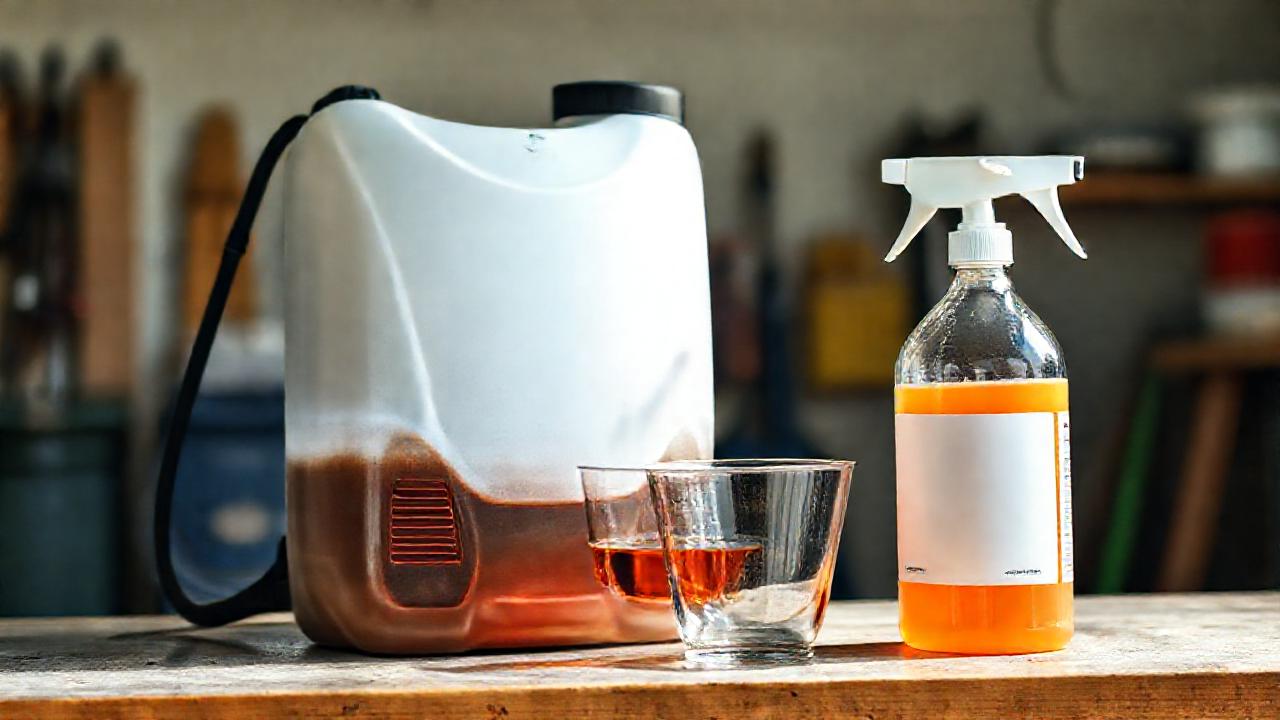
Mixing pest control concentrate wrong cuts both ways: too weak and the treatment fails, too strong and you are wasting product, breaking the label, and putting more chemical down than the job needs. The label gives you a rate — fluid ounces of concentrate per gallon of water — and a coverage figure. This tool does the arithmetic from there: total mix for your area, concentrate per tank, and how many refills you are in for.
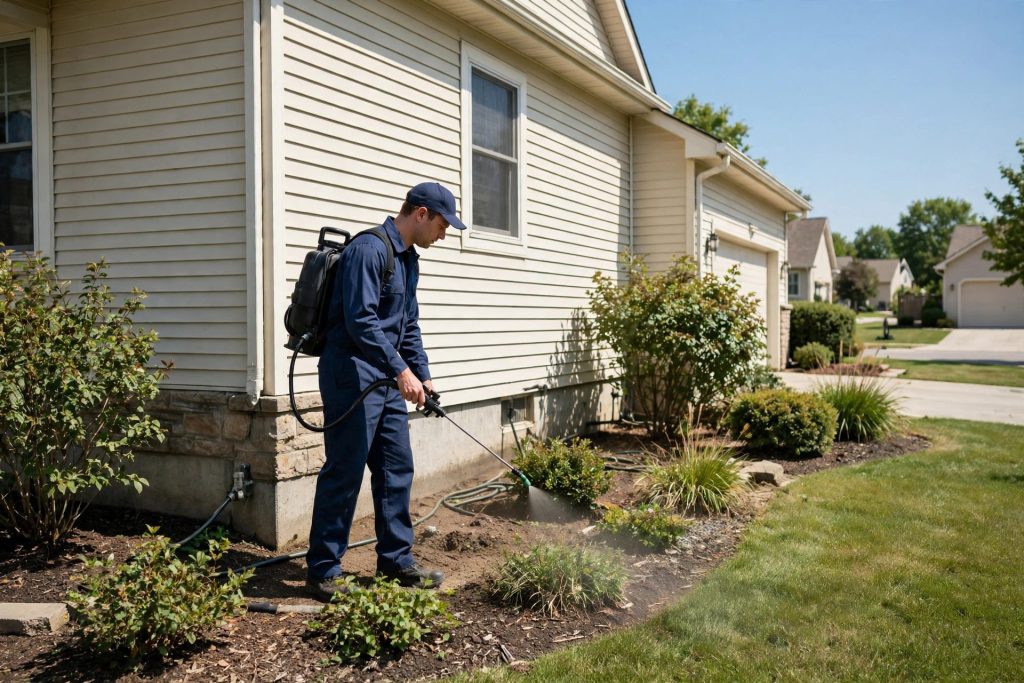
Read three numbers off your product label: the mix rate (fl oz per gallon), the coverage (gallons of finished mix per 1,000 sq ft — 1 is the most common label figure for exterior barrier sprays), and then measure the area you are treating. Enter your sprayer tank size last. The tool assumes you mix full tanks at the label rate and one final partial tank for whatever is left over.
A 5,000 sq ft treatment area at 1 gallon per 1,000 sq ft needs 5 gallons of mix. At a label rate of 1 fl oz per gallon, that is 5 fl oz of concentrate in total. With a 2-gallon sprayer: two full tanks at 2 fl oz each, plus a last 1-gallon tank with 1 fl oz. If your label rate is different, the tool scales everything to match it.
This tool only does arithmetic. Your product label is the law — its rate, its protective equipment, and its re-entry times override anything a website calculates. Keep kids and pets off treated areas until sprays have dried, or longer where the label says so. Not sure what you are treating? Identify the pest first.
A one-minute estimator for pest control: pick the service, home size, and region for a 2026 price range.
Open calculatorAnswer six questions about the pest you saw and get the most likely match — plus what its treatment typically costs.
Open calculatorCompare a monthly pest plan against paying per treatment over 1 to 10 years, annual price increases included.
Open calculator