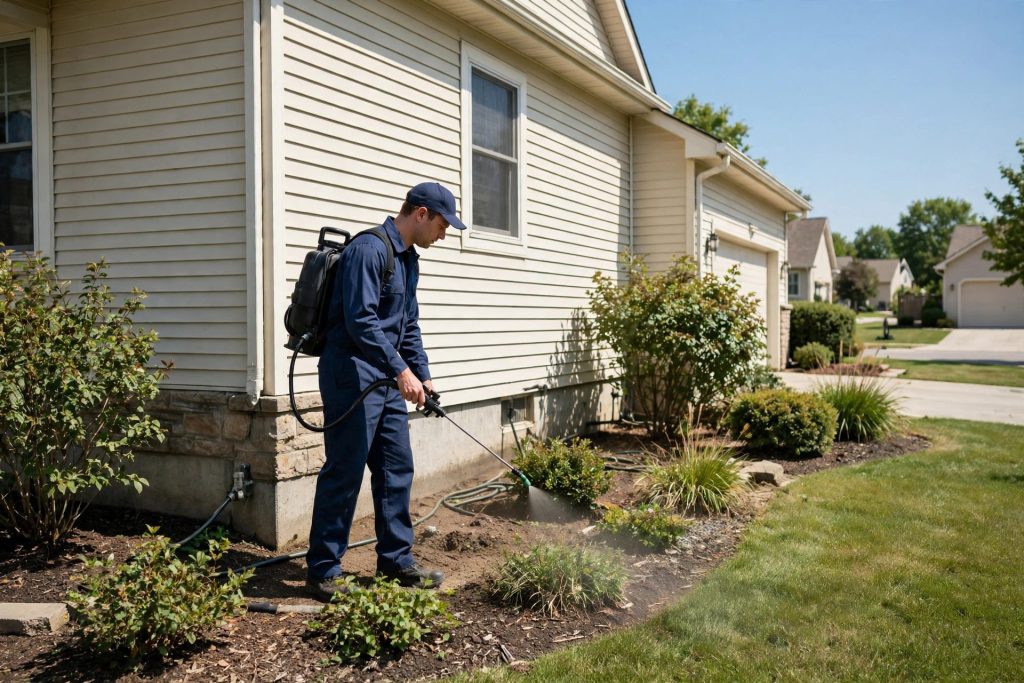
Pest Control Cost Calculator: Get a 2026 Estimate in One Minute
A one-minute estimator for pest control: pick the service, home size, and region for a 2026 price range.
Open calculator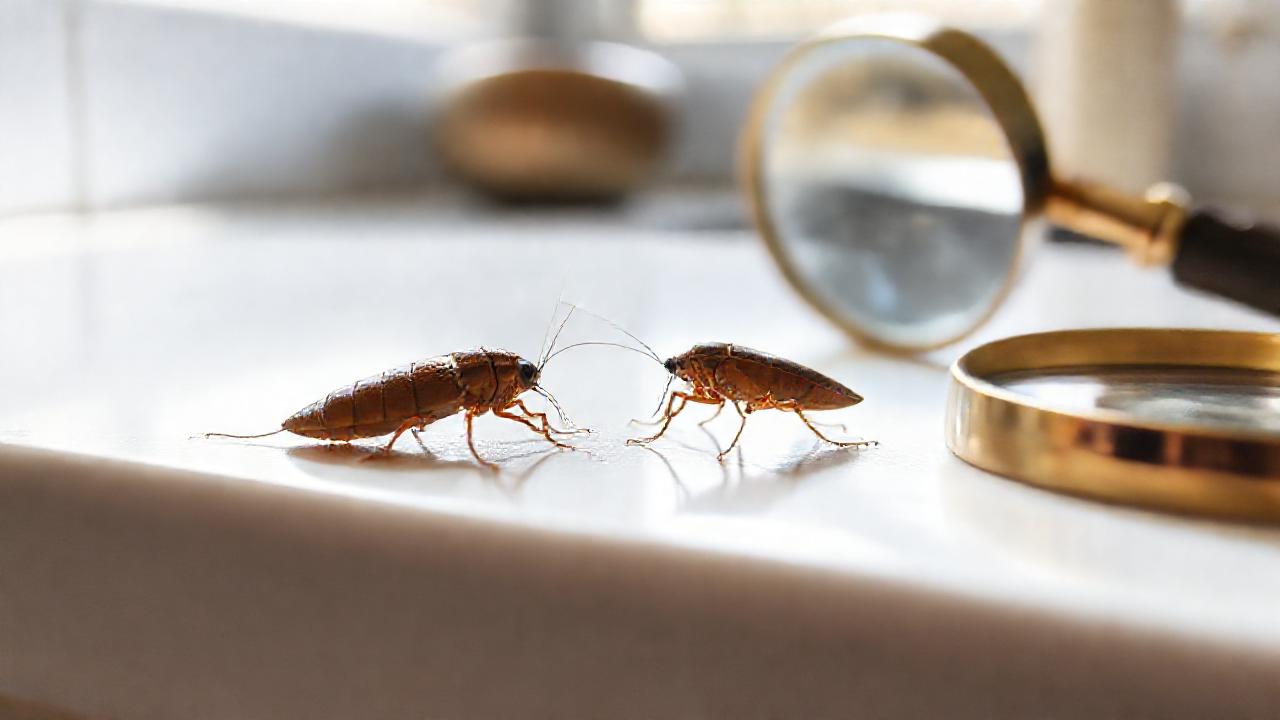
You found a bug. Before you can price the fix, you have to know what it is — and most pest problems get misidentified, which wastes money on the wrong treatment. Answer six questions about what you saw: where it was, how big, whether it flies, what its body looks like, when it is active, and the best extra clue. The tool scores your answers against 24 common household pests and shows you the most likely match.
Each pest in the list carries a set of trait weights — the places it lives, the size it runs, the signs it leaves. Your answers add up points for every pest that fits, and the highest score wins. A strong match means several of your answers pointed at the same pest. A weak match means the answers were spread thin, and the honest answer is that a few more clues — or a professional inspection — will settle it.
Every match links to that pest’s treatment cost guide, so you can see what fixing it typically costs before you call anyone. If the match is a stinging pest, wildlife, or anything in the walls or wood, skip the do-it-yourself route and read the guide first — some of these are genuinely not homeowner jobs.
An identification from six answers is a starting point, not a certainty. Two pests can look alike and need opposite treatments. When the cost of being wrong is high — termites, bed bugs, anything that stings — a professional identification is worth paying for.
A one-minute estimator for pest control: pick the service, home size, and region for a 2026 price range.
Open calculatorEnter your product label's mix rate, the area, and your tank size — get total mix, concentrate per tank, and refill counts.
Open calculatorCompare a monthly pest plan against paying per treatment over 1 to 10 years, annual price increases included.
Open calculator